Retaining Wall Construction in Bothell, WA
North Sound Masonry designs and builds durable masonry retaining walls, using natural stone, brick, and concrete block, for residential and commercial properties throughout Bothell, WA and the greater North Sound region, solving slope, erosion, and drainage problems that our climate makes worse every year.
Retaining Walls Services
If you’ve spent any time on a sloped property in the Bothell area, you already know the situation. The yard looks great in summer: dry, firm, and manageable. Then October arrives, the rain turns on like a faucet, and suddenly the hill behind the garden is slowly, quietly doing things you didn’t ask it to do. Soil migrates. Water pools. Grass erodes at the edges. That retaining wall that “seemed fine” develops a new lean that definitely wasn’t there before.
This is not unusual. It’s actually one of the most common property challenges for homeowners and commercial property owners across the North Sound region, from the tiered hillside lots of Mill Creek and Woodinville to the steep residential terrain in parts of Kenmore, Shoreline, and Cottage Lake. The Bothell area receives around 42 inches of rain per year, much of it concentrated between October and March. That’s a lot of water pushing a lot of saturated soil in a lot of directions you didn’t plan for.
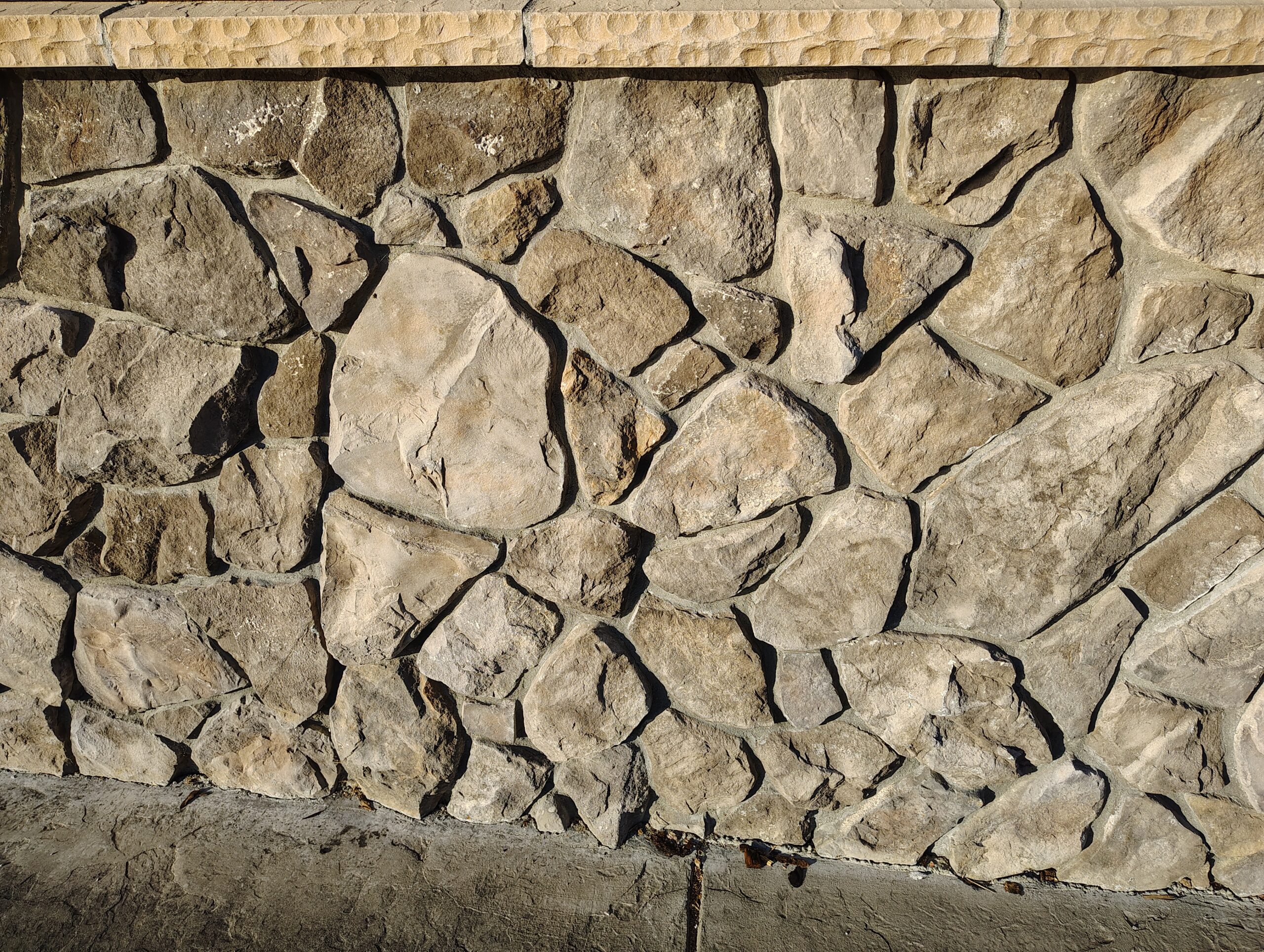
A well-built masonry retaining wall solves that problem. It holds back soil, controls where water moves, creates flat usable space out of sloped ground, and does all of this for decades without complaint. A poorly built retaining wall, one that lacks proper drainage, was constructed without adequate footings, or was built from materials that can’t handle our climate, can fail in a matter of years, sometimes dramatically.
North Sound Masonry builds retaining walls using natural stone, brick, and concrete block: the strong, time-tested materials that belong in structural walls that are expected to last. We work on residential properties throughout Bothell, Mill Creek, Marysville, Edmonds, Lynnwood, Mountlake Terrace, Kenmore, Shoreline, Woodinville, Maltby, Cottage Lake, and surrounding communities. We also handle commercial retaining wall projects for developers, businesses, and property managers across King and Snohomish Counties.
Contact North Sound Masonry today for a free, no-pressure estimate. We’ll look at your site, understand the soil and drainage conditions, and give you a clear proposal before a single shovel touches the ground.
Why You Need a Retaining Wall
Washington State’s geography and climate create a combination of conditions that make retaining walls necessary for residential and commercial properties. Here’s what’s working against your hillside:
Saturated clay soils: Much of the Puget Sound lowland, including areas throughout Bothell, Kenmore, and Snohomish County, has expansive clay soils that absorb water and expand significantly when wet. When the ground swells, it exerts pressure on any structure near or holding it back. When it dries out, it contracts. This constant movement is hard on retaining walls that weren’t built to handle it, and it’s the reason so many older walls in the region begin to lean, crack, or bow over time.
Slope and elevation changes: The terrain around Bothell is varied. The Sammamish River Valley, the hillside neighborhoods east of I-405, the rolling lots throughout Woodinville wine country, the bluff properties in Edmonds, these are beautiful settings, but they all involve managing elevation changes that flat-lot properties don’t face. When you have a yard that drops 4, 6, or 8 feet from one level to the next, you need a structural solution. A retaining wall is almost always the most effective and permanent answer.
Hydrostatic pressure: This is the technical term for what happens when water builds up behind a wall that doesn’t drain properly. The weight of saturated soil and water pushing from behind is enormous, far more than most homeowners imagine. A wall with poor drainage can be fine for years, then fail relatively quickly once enough water pressure has built up. This is the single most common reason retaining walls collapse. Proper drainage design is not optional, it’s structural.
Seismic activity: The greater Puget Sound sits in an active seismic zone. Ground movement from even minor earthquakes can shift soil profiles and add lateral stress to retaining structures. Walls built without proper footings or reinforcement are particularly vulnerable.
Beyond holding back the hillside, retaining walls create usable yard space that sloped properties otherwise can’t offer. A flat patio area carved out of a slope, a level garden bed along a tiered hillside, a safe and stable driveway entry off a steep street. These are real improvements to how a property functions and how much it’s worth. Home appraisers estimate retaining walls can generate a 100% to 200% return on investment when properly designed and built.
Materials We Build With and Why It Matters
Not all retaining walls are created equal, and the material choice is one of the most important decisions in the process. At North Sound Masonry, we focus on masonry-based retaining wall systems, the type of construction that prioritizes long-term strength, strength, and appearance. Here’s what we work with:
Natural Stone: Built from fieldstone, basalt, granite, or quarried stone, are the most beautiful and longest-lasting type of masonry retaining wall. Stone walls built correctly can last 100 years or more, making them one of the best long-term investments a property owner can make. They’re particularly well-suited for residential properties where aesthetics matter as much as function, the rolling, wooded character of Woodinville, Cottage Lake, and Maltby practically calls for natural stone.
There are two primary ways to build a stone retaining wall. Dry-stacked stone walls are built without mortar, relying on careful placement and gravity to create a stable structure, these drain naturally but require great skill to set properly. Mortared stone walls use masonry mortar to lock stones in place, creating a more rigid structure that handles heavy loads and steeper slopes particularly well. In the Seattle area, mortared stone walls cost roughly $25 to $80 per square foot depending on stone type and design complexity. The investment is real, but so is the return, natural stone adds irreplaceable character and genuine permanence to a property.
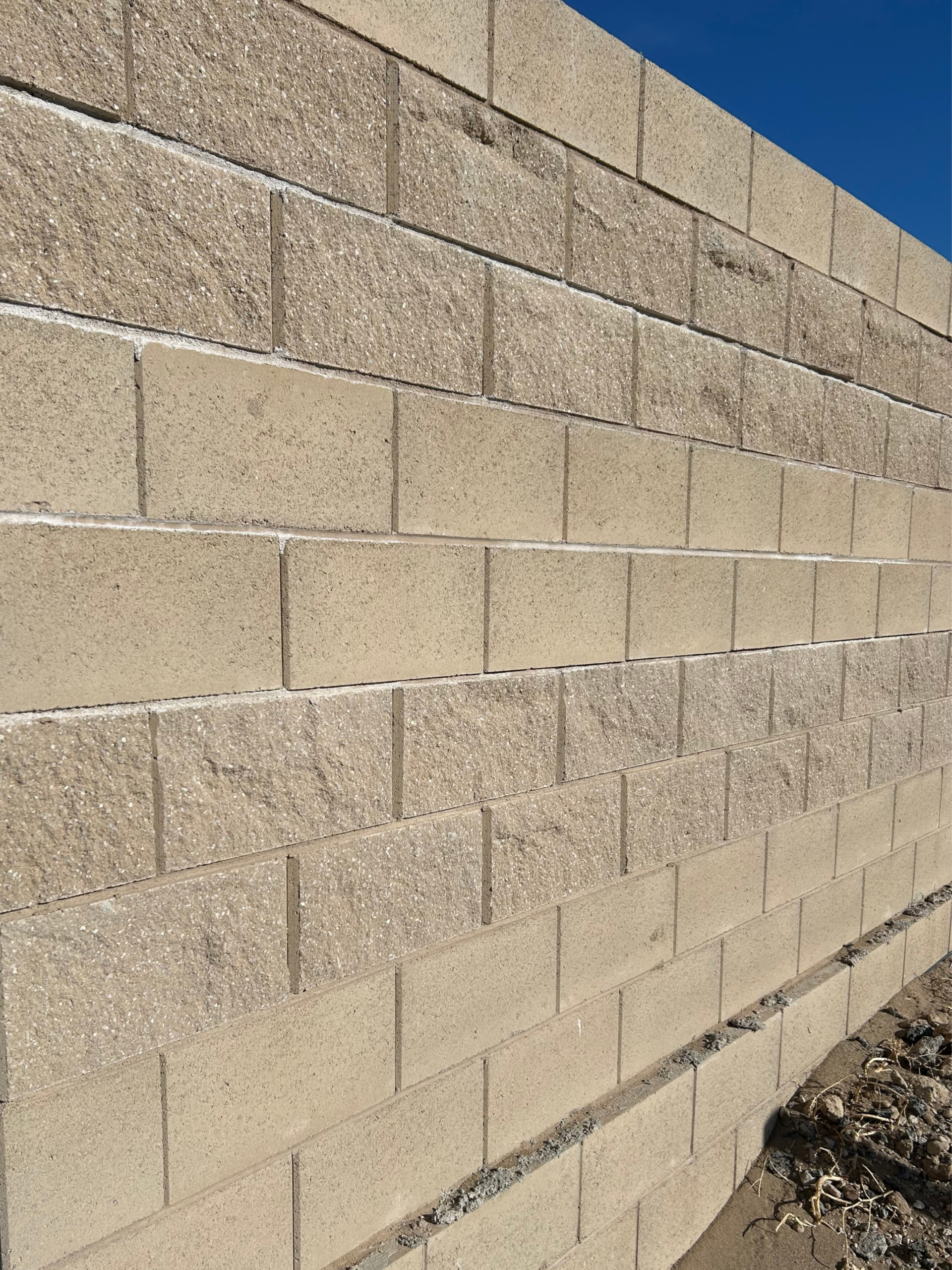
Concrete Block and Interlocking Masonry: Engineered concrete block systems, including interlocking segmental retaining wall blocks, are the most popular choice for walls that need to handle significant soil loads across residential and commercial applications. These systems are designed with internal structure and interlocking geometry that distributes weight efficiently and allows for curves and bends that natural stone walls can’t easily accommodate. Concrete block walls in the Seattle area typically cost $25 to $50 per square foot depending on wall height, system type, and site conditions. They’re durable in our wet climate, available in a wide range of finishes and colors, and when properly installed with drainage, require very little maintenance over time.
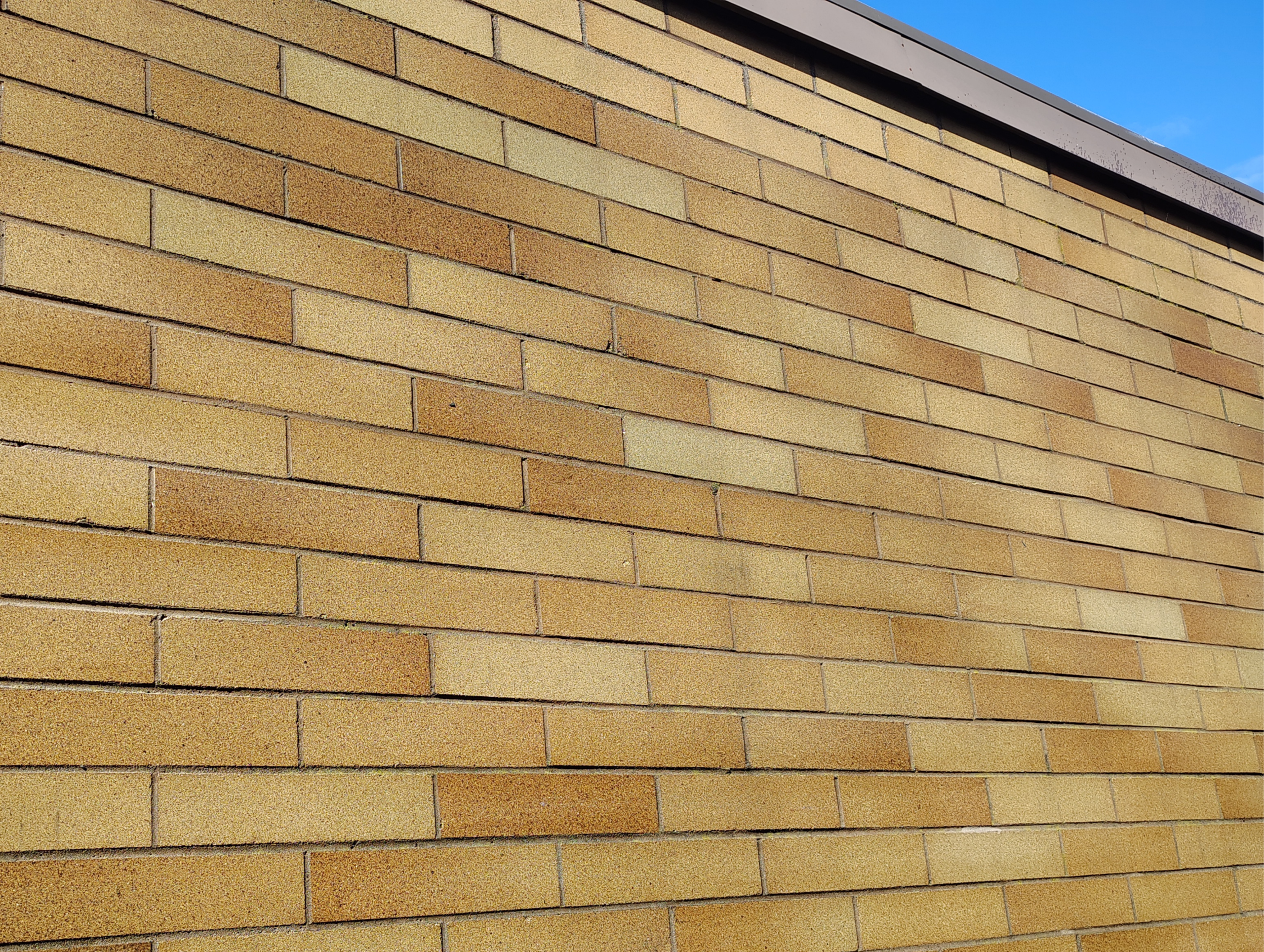
Brick: These bring a classic, formal look that suits certain architectural styles beautifully, particularly residential properties with existing brick features like homes found in older Bothell, Edmonds, and Shoreline neighborhoods. Brick walls are best suited for walls up to 4 feet in height; taller brick walls require a double wythe (two layers thick) and more substantial engineering. Brick retaining walls typically cost $10 to $45 per square foot depending on brick type, height, and design. When a homeowner already has a brick home or brick chimney, a matching brick retaining wall ties the property together in a way no other material can.
What We Don’t Build With (And Why): Wood retaining walls like railroad ties, timber, or treated lumber are inexpensive upfront, but they have a limited lifespan of 5 to 20 years in the Pacific Northwest’s wet climate, and they’re subject to rot, pest damage, and staining. We’re a masonry company, and our recommendation is always a material that will outlast the next owner of the property, not just the current decade.
What's in a Wall That Holds It?
The difference between a retaining wall that lasts 30 years and one that starts leaning in five usually isn’t the material, it’s the construction process behind the visible surface. Here’s what proper masonry retaining wall installation looks like:
Site assessment and soil evaluation: Before any design decisions are made, we evaluate the slope angle, soil composition, the presence of groundwater, and any loads that will bear on or near the wall like driveways, structures, and trees. These determine the wall’s required height, thickness, footing depth, and drainage design.
Footing excavation: Every wall needs a proper footing, a stable base dug below the frost line and into firm, undisturbed soil. In the Bothell area, this typically means going 12 to 18 inches below grade. Walls built without adequate footings settle unevenly and can crack or tip as the soil beneath them shifts seasonally. This step is invisible once the wall is finished, but it’s foundational, literally.
Drainage system installation: This is the step that separates a wall that holds from one that eventually fails. Behind every masonry retaining wall we build, we install a drainage system: a bed of compacted gravel, a perforated drain pipe running along the base of the wall, and weep holes or drainage outlets at the base of the wall face. This system gives water a controlled path to exit instead of building up behind the wall and pushing against it. Proper drainage adds $2 to $6 per square foot to a project, and is worth every dollar.
Structural reinforcement for taller walls: Walls over 4 feet in height face significantly more lateral soil pressure than shorter walls and require additional structural measures. This can include geogrid reinforcement layers embedded in the backfill, rebar reinforcement within concrete block systems, or engineered designs prepared by a licensed geotechnical engineer. We work with qualified engineers on projects that require stamped plans, and we navigate the permitting process for you.
Careful material placement: If we’re setting natural stone, laying concrete block, or building in brick, the physical placement of each unit matters. Proper batter (the slight inward lean of a retaining wall toward the soil it’s holding) adds passive resistance to the load. Consistent joint staggering prevents continuous vertical crack lines that become structural weak points. The cap material and finish protect the top of the wall from direct rain exposure.
Backfilling and compaction: The soil placed behind a finished wall needs to be backfilled in lifts, thin layers compacted as they go, to avoid creating voids or uneven pressure distribution. Dumping fill all at once and walking away is a very common shortcut that leads to settlement problems and wall stress. We don’t take that shortcut.
Repairs, Permits, and Everything Else You Need to Know
Retaining Wall Repair: If you have an existing retaining wall that’s showing signs of failure, don’t wait to have it assessed. A wall that is leaning, cracking horizontally, or allowing significant soil to erode around or beneath it is actively getting worse every wet season. In many cases, early repair is significantly less expensive than full replacement. We evaluate existing walls throughout the region and provide honest assessments, including telling you when repair is the right answer and when full reconstruction is what the site actually needs.
Permits in Bothell and Surrounding Jurisdictions: Under Washington State building code, and in most municipalities throughout King and Snohomish Counties, including Bothell, Kenmore, Edmonds, Lynnwood, Marysville, and Mill Creek, retaining walls over 4 feet in height (measured from the bottom of the footing to the top of the wall) require a building permit. Walls supporting a “surcharge” (meaning additional weight from a driveway, structure, or steep slope above) may require a permit even at shorter heights.
Many homeowners don’t realize that the 4-foot measurement includes the buried portion of the wall below grade. A wall that looks 3 feet tall from the front may have a footing 18 inches below ground, making its total height well over 4 feet in the eyes of the building department.
Walls over 4 feet also commonly require stamped engineering plans prepared by a licensed geotechnical or structural engineer. We coordinate with qualified engineers on projects that need them.
Don’t build without a required permit: A retaining wall installed without the proper permits can create serious problems when you sell the property, may be ordered removed by the jurisdiction, and provides no code-verified assurance that the wall is safe for the people and structures it’s supposed to protect.
Terracing as an Alternative: For properties where a single tall wall isn’t the right answer, either because of site constraints, appearance preferences, or permit considerations, terracing with two or more shorter walls can be an excellent solution. A pair of well-designed 3-foot walls creates the same grade change as a single 6-foot wall, often with a more visually appealing result and simpler permitting. We design terraced wall systems throughout the Bothell area and across our service region.
North Sound Masonry serves homeowners and commercial clients throughout Bothell, Mill Creek, Marysville, Lynnwood, Mountlake Terrace, Shoreline, Edmonds, Woodinville, Kenmore, Cottage Lake, Maltby, Mukilteo, Snohomish, and surrounding communities in King and Snohomish Counties.
Your hillside has been patient long enough. Contact North Sound Masonry today for your free retaining wall estimate.
Affordable Border Wall Contractors for Bothell, WA
Contact us today to learn how our retaining wall installations can help make your property look better and fit your preference.
North Sound Masonry
When you reach out to North Sound Masonry, you’ll connect with a professional who understands the work behind quality brick, stone, and paver work. We take the time to listen to your goals, answer your questions, and get a clear picture of what you want to achieve for your home or business in Bothell and the surrounding communities.
If you’re planning a brand-new masonry project or restoring existing work, we’ll help you choose the right materials, design, and layout to complement your property. Every project is unique, and we make sure the finished result looks right, performs well, and fits your budget.
We believe in being upfront and transparent throughout the entire process, so there are no surprises. From detailed measurements and proper site preparation to expert installation, our focus is on doing the job right and building something that lasts in the Pacific Northwest climate.
We treat every property with care and respect, keeping job sites clean and working efficiently from start to finish. Our goal is simple: leave your space looking better, stronger, and more valuable than when we arrived.
Reach out today to discuss your masonry project in Bothell, WA and nearby areas, we’re ready to deliver results built to last.
Get Your Estimate Now!
Frequently Asked Questions (FAQs)
Normal wear on a retaining wall includes minor surface weathering, slight discoloration, and modest mortar erosion in older mortared walls. Warning signs of actual failure are different, and worth taking seriously. A wall that is visibly leaning or tilting away from the soil it holds, showing horizontal cracks (especially in the middle third of the wall), has soil actively eroding from behind or underneath it, or has base stones or blocks that have shifted out of alignment is in structural distress. These conditions don’t improve on their own. Each wet season adds more pressure and accelerates the problem. Have us take a look before an expensive collapse makes the decision for you.
For very small, low walls under 2 feet in height with minimal soil load and no drainage complications, a careful DIYer with proper research can have reasonable success. But most retaining wall situations in the Bothell area, sloped lots, clay soils, significant height changes, or walls supporting structures, genuinely require professional design and installation. The consequences of a failing retaining wall go beyond the cost of repair: a collapsing wall can damage neighboring property, bury structures, or create safety hazards. It can also trigger liability issues if it affects adjacent lots. Professional installation ensures the wall is built to code, properly drained, and designed for the specific conditions of your site.