Brick & Stone Restoration in Bothell, WA
North Sound Masonry provides professional brick and stone repair and restoration for residential and commercial properties throughout Bothell, WA and the surrounding North Sound region, bringing damaged or aging masonry back to full strength and beauty.
Brick & Stone Repair in Bothell
Brick and stone have been building materials for thousands of years, and for good reason. They’re tough, they’re beautiful, and when properly maintained, they outlast nearly everything else. The brick chimneys, stone garden walls, and masonry facades standing in older neighborhoods across Bothell, Edmonds, Kenmore, and Lynnwood are proof of that. Some of those structures are well over a century old and still standing strong.
But here’s the thing: even the toughest materials need care. In the Pacific Northwest, where moisture is practically a year-round roommate and temperatures fluctuate enough to expand and contract masonry materials season after season, even well-built brickwork and stonework will eventually show signs of wear. Mortar erodes. Bricks crack or spall. Water finds its way in. What starts as a minor cosmetic issue can quietly grow into a structural problem, and structural problems always cost more to fix than the maintenance that would have prevented them.
North Sound Masonry (Bothell’s Trusted Masonry Contractor) focuses on brick and stone repair and restoration for homeowners and commercial property owners throughout the North Sound region. That includes Bothell, Mill Creek, Marysville, Shoreline, Mountlake Terrace, Woodinville, Cottage Lake, Maltby, Kenmore, Edmonds, Lynnwood, and the many communities in between. We diagnose the problem, explain what needs to be done in plain terms, and execute the work with the kind of work that holds up for decades. Contact us today for a free, no-pressure estimate.
Bricks & Stones Over Time
Understanding why masonry deteriorates is the first step toward knowing when to act. Here’s a plain-language look at the most common issues we find on properties across the Bothell area.
Mortar Erosion: Mortar is the material that holds bricks or stones together at their joints. It’s softer than the masonry units themselves by design, it’s meant to absorb the subtle movement that happens as buildings settle and temperatures change. But that softness also means mortar wears out faster than the brick or stone it connects. Mortar joints typically need attention every 20 to 30 years. When mortar erodes past the surface, it exposes the edges of the bricks to direct moisture contact, which accelerates damage. You might notice the mortar looks sunken, crumbly, or is simply missing in spots.
Spalling: This is what happens when the face of a brick or stone flakes, chips, or pops off. It’s caused by water getting into the porous surface of the brick, then freezing and expanding. Think of it as the masonry equivalent of a pothole forming in a road after a cold winter. In the Bothell area, where temperatures regularly dip below freezing between November and March, spalling is a common issue, especially on older bricks or on walls with compromised mortar that let moisture in more easily. Spalling bricks should be replaced promptly, because a damaged brick face is no longer protecting the inner core of the brick from further moisture.
Efflorescence: That chalky white or gray powder that sometimes appears on brick or stone surfaces has a name (efflorescence) and it’s a clue. It forms when water moves through masonry and pulls soluble salts to the surface, leaving them behind as the water evaporates.
Efflorescence itself doesn’t cause structural damage, but it’s a clear signal that water is moving through your masonry in a way it shouldn’t be. Addressing the underlying moisture issue, not just cleaning the surface, is the right response.
Structural Cracking: Cracks in brick or stone walls can range from minor hairline fractures (which may be cosmetic) to serious structural warning signs. Stair-step cracks that follow mortar joints can indicate foundation movement or soil settlement. Horizontal cracks are particularly concerning, as they often suggest the wall is being pushed by lateral pressure, something to take seriously, especially in retaining walls or below-grade masonry. If you can insert a dime into a crack, it’s wide enough to let in significant moisture and warrants a professional look.
Water Damage and Interior Moisture: When brick or stone is compromised, water doesn’t just stay on the surface, it finds a way through. This can show up as water stains on interior walls or ceilings, peeling paint near exterior masonry, damp basements, or even visible mold. By the time you see interior signs, the masonry has usually been taking on water for a while. Early intervention saves money; delayed action multiplies costs.
Tuckpointing & Repointing
At North Sound Masonry, we offer a full range of repair and restoration services for brick and stone structures, both residential and commercial. Here’s what that looks like in practice:
Tuckpointing and Repointing: These are the most commonly needed masonry maintenance services. Tuckpointing involves grinding out old, failing mortar to a depth of about ¾ to 1 inch and replacing it with fresh, properly formulated mortar. We carefully match the color and texture of the original mortar so the repair blends naturally with the surrounding work. A good tuckpointing job can extend the life of a brick wall or chimney by 20 to 30 years. Costs typically run $3 to $15 per square foot depending on height, access, and the extent of deterioration.
Brick Replacement: When individual bricks are cracked through, severely spalled, or structurally compromised, replacement is the right answer.
We source matching brick to keep repairs as seamless as possible, including salvaged brick when needed for older homes in Bothell, Edmonds, or other communities where historic-era materials are still common. A well-executed brick replacement should be nearly invisible.
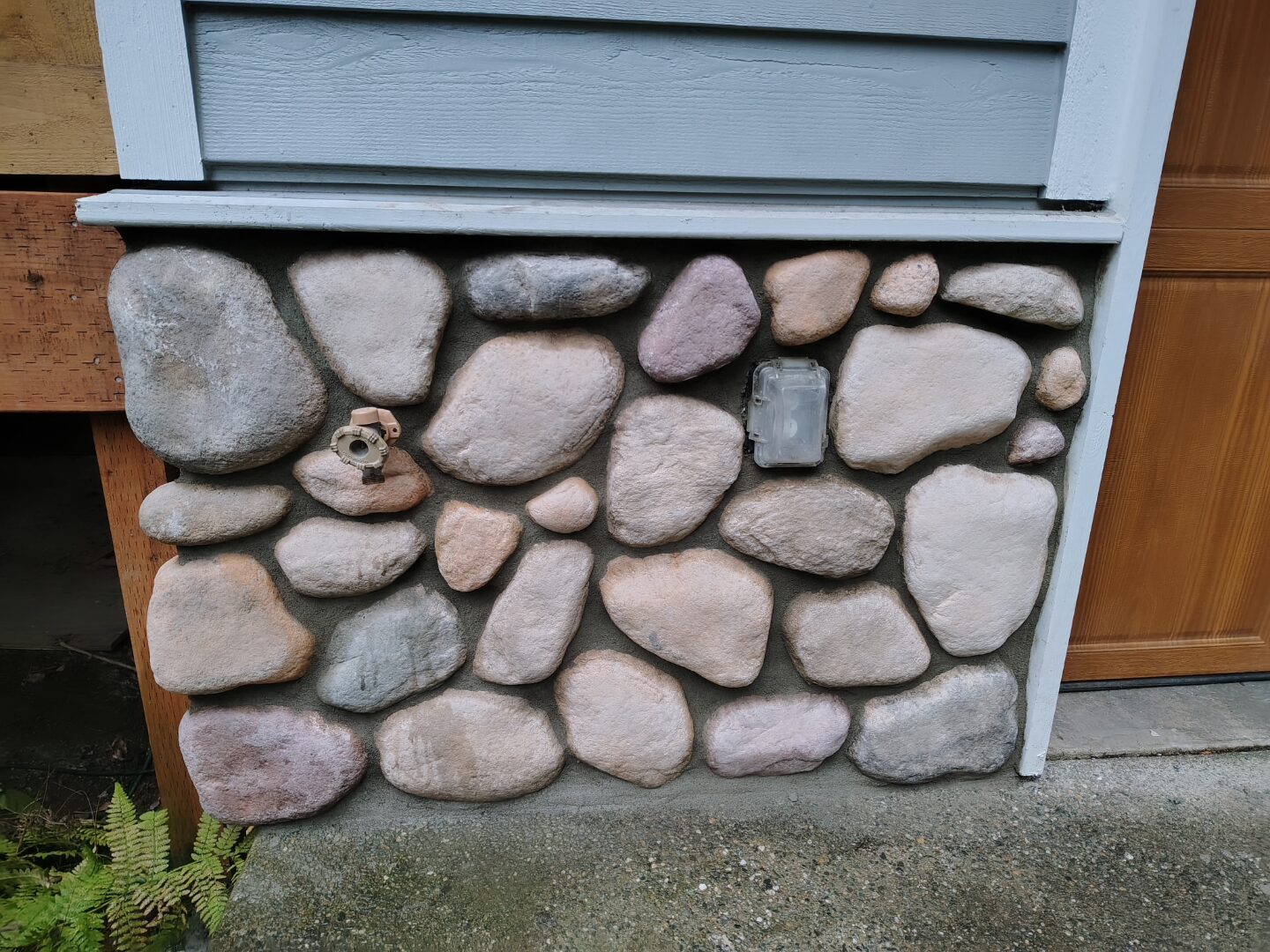
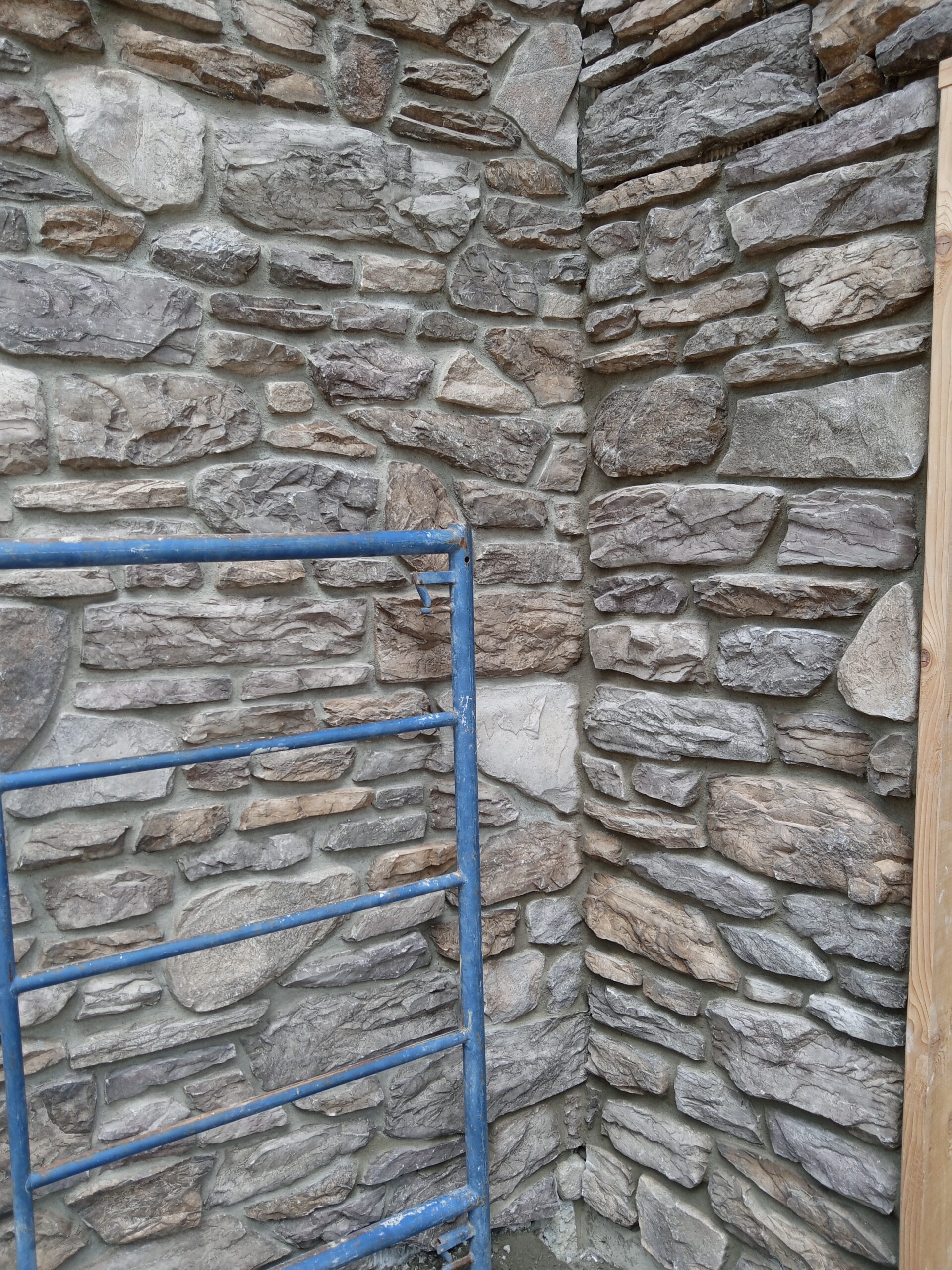
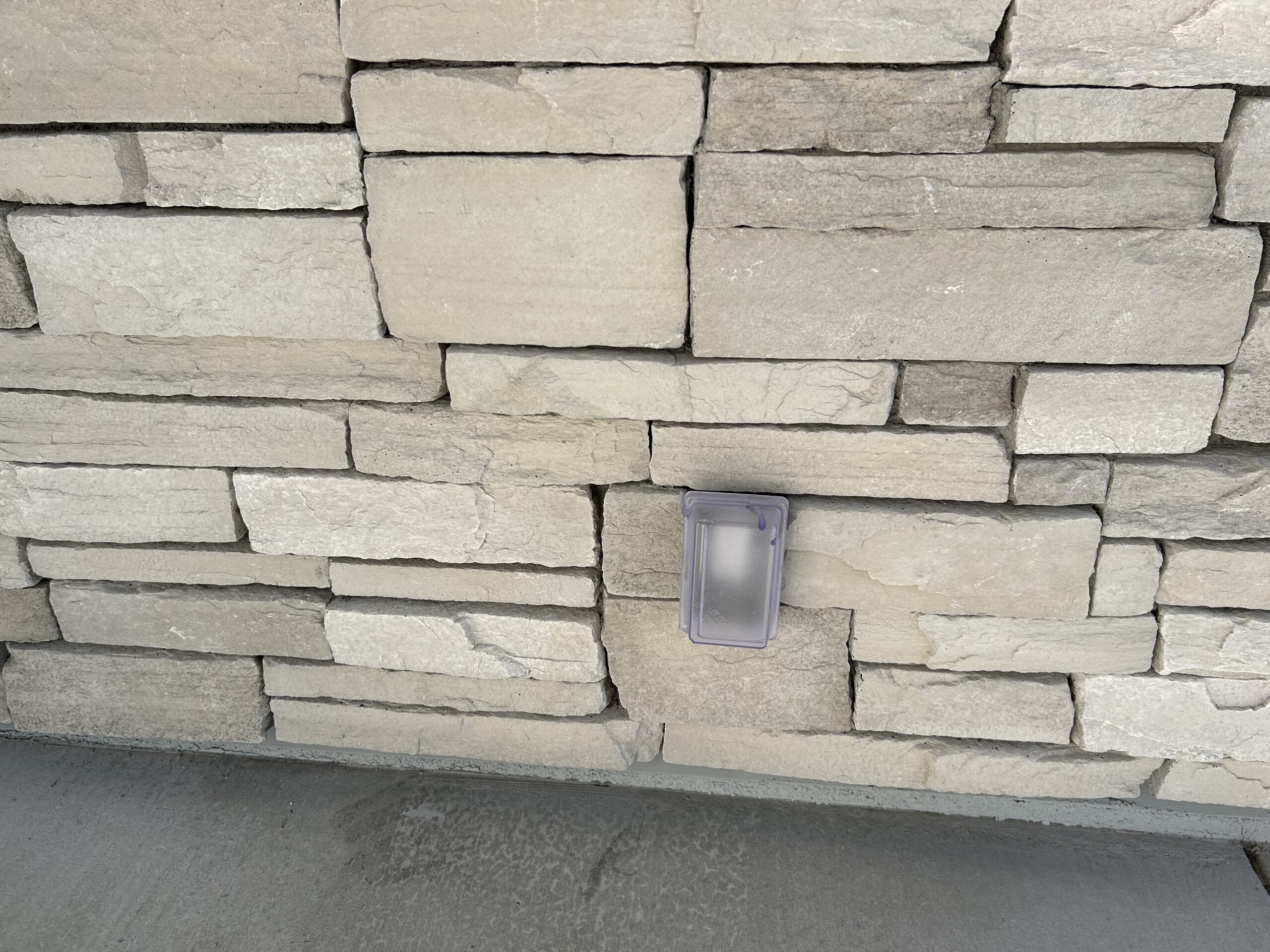
Stone Repair and Restoration: Natural stone, like river rock, basalt, granite, or sandstone, requires a slightly different approach than brick, but the principles are the same. Loose stones get reset with proper mortar. Damaged or missing mortar joints get repointed. Cracked stones are evaluated for structural impact and addressed accordingly. We also restore stone facades, garden walls, stone pillars, and decorative stone features on both homes and commercial buildings throughout the region.
Crack Repair and Stitching: For structural cracks that go beyond simple mortar failure, we use techniques like helical crack stitching, a method of installing stainless steel ties into the masonry to restore tensile strength across a crack without requiring full demolition and rebuilding. This is a highly effective approach for stabilizing cracked brick walls on older homes found throughout communities like Shoreline, Mountlake Terrace, and older Bothell neighborhoods.
Cleaning and Efflorescence Treatment: We safely clean brick and stone surfaces to remove efflorescence, biological growth (moss and algae are common in our damp climate), and surface staining. Importantly, we do not recommend high-pressure washing on brick, this forces water deep into the masonry and can accelerate the very damage it’s meant to clean. We use gentler methods that are effective without being destructive.
Waterproofing and Sealing: After repair work is complete, we can apply a breathable masonry waterproofing treatment to protect against future moisture intrusion. The right sealant matters enormously, non-breathable sealers trap moisture inside the masonry and actually accelerate spalling. We use products designed for the specific masonry type and the conditions of our Pacific Northwest climate.
Full Facade Restoration: For older homes or commercial buildings with extensive deterioration across large sections of brick or stone, we offer comprehensive facade restoration, a systematic process of repointing, replacing compromised units, cleaning, and sealing the entire exterior surface. Full restoration projects typically run $5,000 to $20,000 or more depending on building size and scope, but they deliver a result that can last a generation or more without further major intervention.
Why the Pacific Northwest Climate Needs Expert Masonry Care
People sometimes assume that because the Pacific Northwest doesn’t get the brutal freeze-thaw cycles of, say, Minnesota or the Great Lakes region, masonry holds up better here. That’s only partly true. Bothell averages around 42 inches of precipitation per year, with November alone averaging nearly 7 inches of rain. Our winters are persistently wet, with temperatures that hover right around the freezing point, which is actually the most damaging range for masonry. Water saturates the brick, then freezes just enough to expand and fracture the surface. This cycle repeats dozens of times each winter.
Add to that the region’s occasional seismic activity, the expansive clay soils common in many parts of King and Snohomish Counties, and the fact that many homes in Bothell, Edmonds, Shoreline, and Lynnwood were built in the mid-20th century with masonry that is now 50 to 80 years old, and you have a recipe for masonry that needs skilled, experienced attention.
Here’s something that experienced masons know, and that homeowners often don’t: the mortar mix matters enormously. Modern Portland cement mortars are much harder than the lime-based mortars used in homes built before the 1950s. If a mason uses a modern hard-cement mortar to repoint an older, softer brick, the mortar won’t flex with the brick as it expands and contracts. Instead of the mortar absorbing the stress, the brick does, and the brick cracks. This is a common mistake made by general contractors or handymen who take on masonry work without specialized knowledge. At North Sound Masonry, we assess the existing construction and choose mortar formulations that are compatible with the original materials.
What to Expect When You Hire North Sound Masonry
We know hiring a contractor can feel like a gamble. You’re trusting someone to work on your home or building, something you’ve invested in and care about. Here’s how we make the process straightforward.
Step 1 — Free On-Site Estimate: We come to your property, look at the actual condition of the masonry, and talk with you about what you’re seeing and what your goals are. We don’t do vague phone estimates for repair work, because every situation is different. A proper assessment is the only honest way to give you an accurate number.
Step 2 — Proposal: You receive a clear proposal that explains the scope of work, the materials we’ll use, the timeline, and the total cost. No surprises.
Step 3 — Scheduled Work by Trained Masons: We are experienced masonry specialists, not general laborers picking up a trowel for the first time. We show up when scheduled, work carefully, and protect surrounding areas of your property while we work.
Step 4 — Quality Walkthrough: When the job is done, we walk through the finished work with you. We want you to be satisfied with every aspect of the result, and we stand behind our work.
We serve homeowners and commercial property owners throughout Bothell, Kenmore, Woodinville, Mill Creek, Marysville, Lynnwood, Mountlake Terrace, Shoreline, Edmonds, Cottage Lake, Maltby, and all surrounding communities in King and Snohomish Counties. If you’ve been putting off a call because you’re not sure what’s involved or what it will cost, pick up the phone. The estimate is free and the information is yours with no obligation.
Contact North Sound Masonry today and let’s take a look.
Expert Masonry Contractors in the King & Snohomish Counties
Contact us today to find out how our custom brick and stone work can make your property look outstanding and match what you want!
North Sound Masonry
When you reach out to North Sound Masonry, you’ll connect with a professional who understands the work behind quality brick, stone, and paver work. We take the time to listen to your goals, answer your questions, and get a clear picture of what you want to achieve for your home or business in Bothell and the surrounding communities.
If you’re planning a brand-new masonry project or restoring existing work, we’ll help you choose the right materials, design, and layout to complement your property. Every project is unique, and we make sure the finished result looks right, performs well, and fits your budget.
We believe in being upfront and transparent throughout the entire process, so there are no surprises. From detailed measurements and proper site preparation to expert installation, our focus is on doing the job right and building something that lasts in the Pacific Northwest climate.
We treat every property with care and respect, keeping job sites clean and working efficiently from start to finish. Our goal is simple: leave your space looking better, stronger, and more valuable than when we arrived.
Reach out today to discuss your masonry project in Bothell, WA and nearby areas, we’re ready to deliver results built to last.
Get Your Estimate Now!
Frequently Asked Questions (FAQs)
Cleaning removes surface dirt, moss, algae, and efflorescence. Repair addresses structural or material problems like crumbling mortar, cracked bricks, spalling, or damage that’s allowing water to enter the wall. In many cases, you need both: we clean and then repair, or we repair and then apply a protective treatment. A good rule of thumb is this: if the issue is only on the surface and the mortar joints and bricks are solid, it may just be cleaning. If you can see gaps in the mortar, cracks in the brick faces, or any soft/crumbly material between the bricks, you need repair. When in doubt, call us for an assessment. It costs you nothing and gives you a clear answer.
This is a very common DIY instinct, and unfortunately it usually makes things worse. Standard caulk is not compatible with masonry, it bonds differently, expands and contracts at a different rate, and traps moisture behind it. When masonry cracks, the right fix is to open the joint properly, clean it out, and fill it with the correct mortar type for that specific brick or stone. Caulk over a crack can look fine for a season, then peel away and leave the original crack plus new damage behind. For any crack you’re concerned about, let a professional take a look before reaching for the caulk gun.