Chimney & Fireplace Repair in Bothell, WA
North Sound Masonry provides expert chimney and fireplace repair and restoration for residential and commercial properties throughout Bothell, WA and the surrounding North Sound region, keeping your place safe, warm, and structurally sound through every winter.
Masonry Restoration in Bothell
There’s something about a wood fire on a gray January evening in Bothell that just hits right. It can be the crackle, the warmth, or the fact that you’re watching the rain streak down the window from a very comfortable position on the couch, a working fireplace is one of those home features that earns its keep every winter.
But here’s the thing most homeowners don’t think about until something goes wrong: a chimney is one of the most weather-exposed structures on your entire property. It sits on top of your roof, fully exposed to everything the Pacific Northwest throws at it, and the Pacific Northwest throws a lot. Rain, freeze-thaw temperature swings, moss, wind, and moisture seeping through every crack it can find. Year after year. And all of that is happening while fire and combustion gases are doing their own work from the inside.
The National Fire Protection Association (NFPA) recommends a professional chimney inspection at least once a year. Not every other year. Not “when something seems wrong.” Every year. That recommendation exists because the damage chimneys develop is often invisible from the ground, and small, ignored problems have a way of becoming expensive, dangerous ones.
North Sound Masonry handles chimney and fireplace repair and restoration throughout Bothell, Kenmore, Mill Creek, Woodinville, Edmonds, Marysville, Shoreline, Lynnwood, Mountlake Terrace, Maltby, Cottage Lake, and surrounding communities. We work on masonry chimneys and fireplaces, brick and stone construction, mortar, crowns, liners, firebox walls, flashing, and more. We bring the experience to diagnose problems correctly and the work to fix them properly. Contact us today for a free estimate and we’ll come out, take a good look, and tell you exactly what’s going on.
How Climate Punishes Chimneys
If you’ve ever wondered why chimney problems seem to get worse every fall, the answer is water. In Bothell and across the North Sound region, rainfall picks up sharply starting in October, peaks in November with nearly 7 inches of monthly precipitation on average, and stays heavy through March. That constant moisture is the single biggest threat to masonry chimneys in our region.
Here’s what happens. Brick and mortar are porous materials, they absorb water. When temperatures drop below freezing, that absorbed water expands as it turns to ice, forcing tiny cracks to grow wider. When it thaws, the water draws back in and the cycle repeats. This process, called freeze-thaw cycling, is the leading cause of spalling brick faces, crumbling mortar joints, and cracked chimney crowns throughout the greater Seattle and Bothell area. It’s not dramatic and sudden, it’s slow, quiet, and cumulative. A chimney that looked fine in September can have noticeably worse damage by April.
The second major threat is creosote. When wood burns, it produces smoke that carries unburned particles up the flue. Those particles stick to the flue walls and build up over time into a dark, flammable residue called creosote. Creosote is the primary cause of chimney fires, and chimney fires burn hot enough to crack flue liners, warp metal components, and cause structural damage that isn’t visible without a camera inspection. Most homeowners who have had a chimney fire don’t even know it happened, because many chimney fires burn slowly and quietly inside the flue without producing visible flames or smoke outside.
The third factor specific to our area is seismic activity. The greater Puget Sound region sits in an active seismic zone. Even minor ground movement, the kind you might not notice, can shift chimney structures and crack flue liners over time. Older homes in Bothell, Edmonds, and Shoreline built before modern seismic standards were established are especially worth keeping an eye on.
Understanding these three forces, moisture, creosote, and seismic stress, is the starting point for understanding why your chimney needs more care than most homeowners realize.
A Look at Every Part We Repair
A chimney isn’t one single thing, it’s a system of interconnected components, each of which can fail independently or together. Here’s what we repair, and why each part matters.
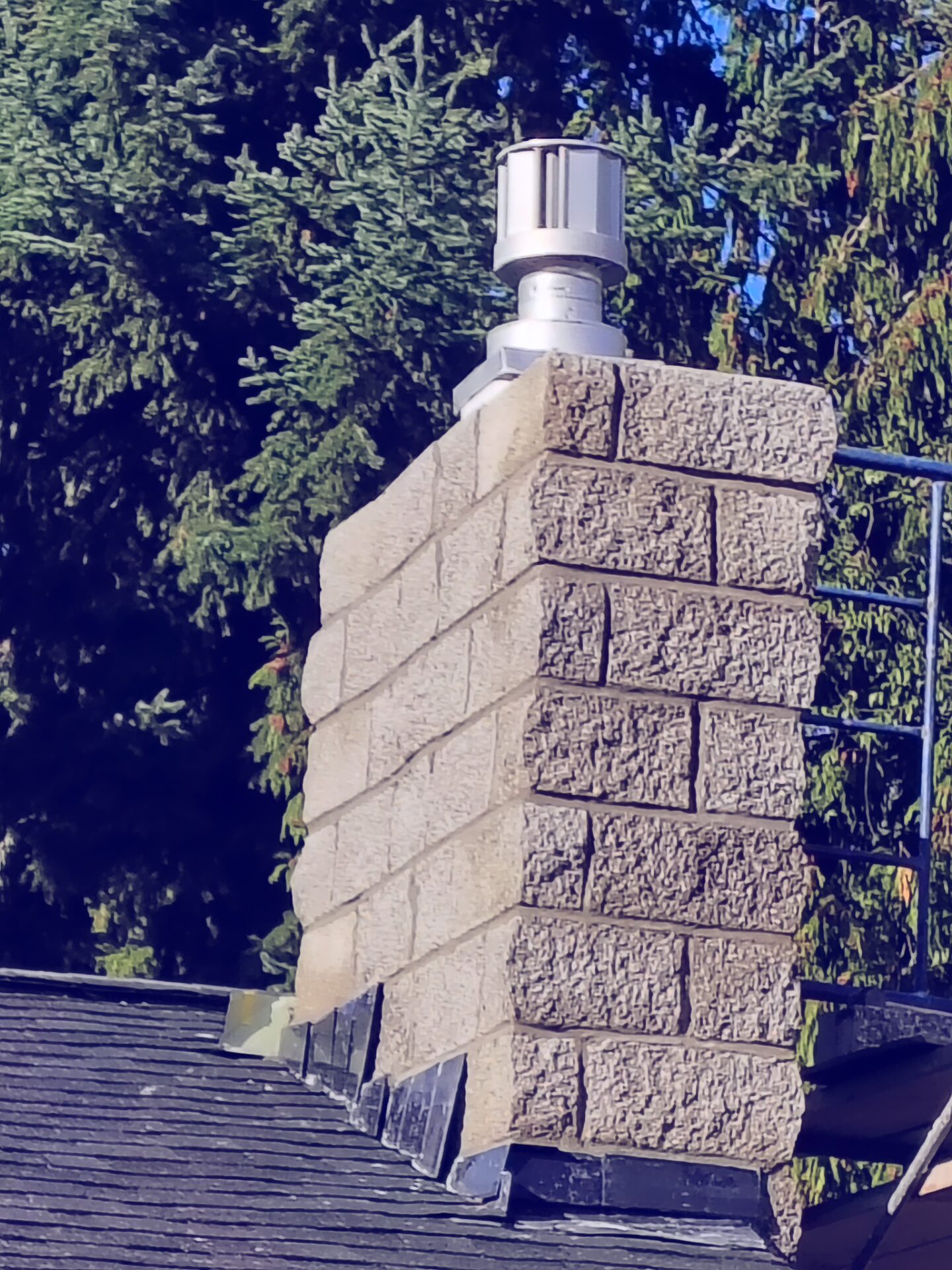
The Chimney Crown: The crown is the concrete cap that sits at the very top of the chimney and covers the space between the flue liner and the outer edge of the chimney. Its job is to keep rain from pouring directly into the chimney structure. Over time, crowns crack, sometimes from freeze-thaw cycles, sometimes from thermal expansion, sometimes just from age. A cracked crown is an open invitation for water to enter the chimney system. Minor crown cracks can be sealed for $200 to $500; a full crown replacement typically runs $2,500 to $3,500. Left unrepaired, a failing crown allows damage to spread to the liner, the masonry, and eventually the roof framing and interior walls.
The Chimney Cap: Sitting directly on top of the crown, the chimney cap is a small metal cover over the flue opening. It keeps rain, animals, birds, and debris out of the flue. A missing or damaged cap is a surprisingly common source of water damage, nesting problems (squirrels and raccoons genuinely love chimneys), and downdrafts that push smoke back into the house. Cap replacement is relatively inexpensive, but skipping it causes damage that isn’t.
Flashing: Flashing is the metal seal where the chimney meets the roofline. It’s one of the most common sources of water leaks in homes throughout the Bothell and greater King County area. When flashing pulls away from the chimney, corrodes, or was never installed properly to begin with, water runs straight down the chimney into the roof structure and the home’s interior.
Water stains on ceilings or walls near the fireplace are a classic symptom of flashing failure. Repairing or replacing chimney flashing typically runs $300 to $800 depending on accessibility and severity.
The Flue Liner: The liner is the interior channel of the chimney that guides combustion gases and smoke from the firebox out through the top of the structure. Clay tile liners are the most common type in older Pacific Northwest homes; stainless steel liners are often used for relining when the clay liner has deteriorated. Why does the liner matter? Because a cracked liner allows combustion gases, including carbon monoxide, to leak into the surrounding structure and potentially into the living space. It also allows heat to reach combustible materials in the walls and framing. The NFPA requires liners to be in good condition for safe chimney operation. Clay liners should be replaced around the 50-year mark; stainless steel liners typically last 15 to 20 years.
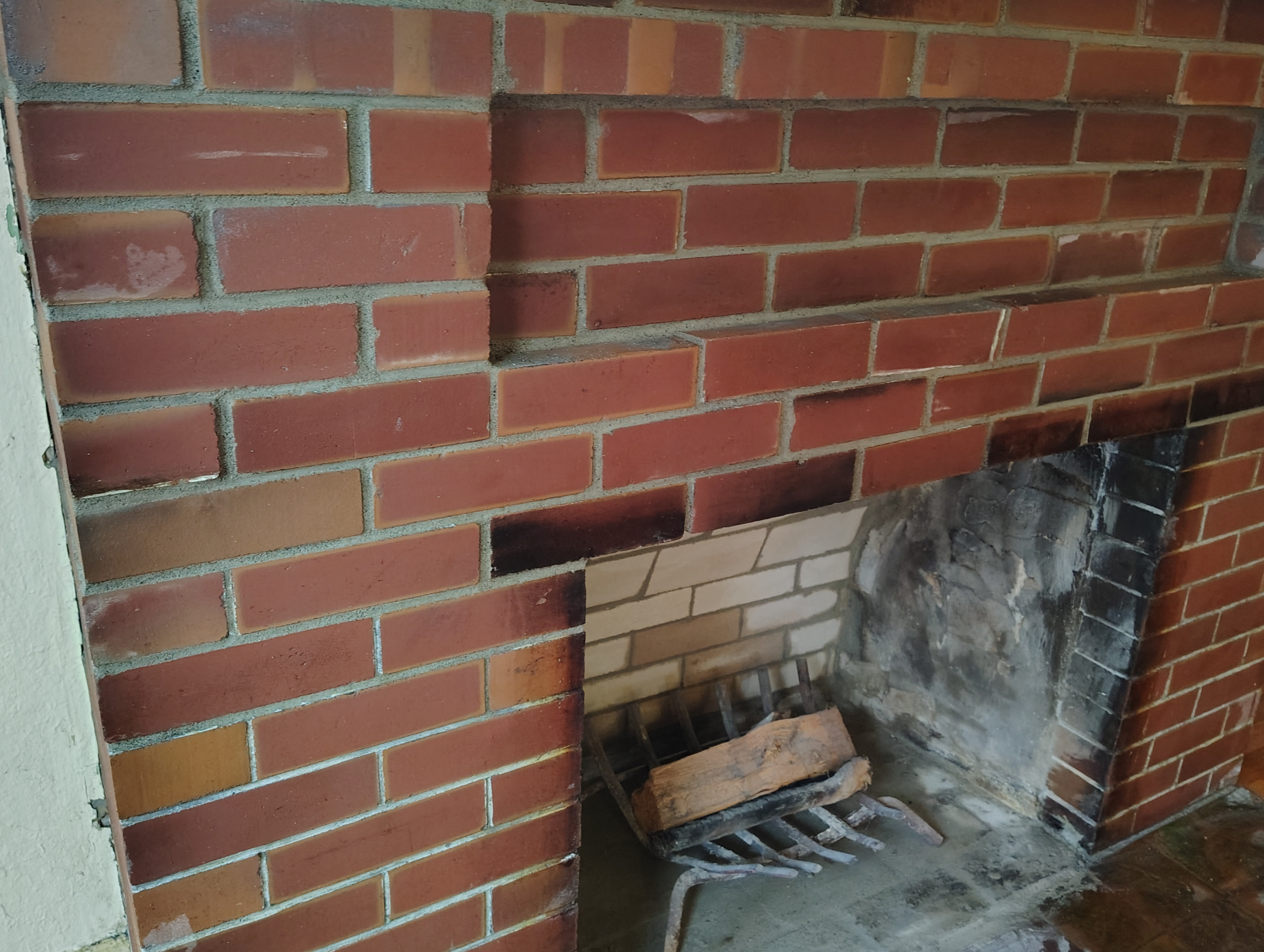
The Firebox: The firebox is the chamber where the fire actually burns, the brick-lined box you look into when you open the damper. Firebrick and the refractory mortar that holds it together are designed specifically to withstand extreme heat, but they still deteriorate over time. In Seattle-area homes, a firebox back wall typically lasts 15 to 25 years depending on usage. Cracks in the firebox, especially those wider than 1/16 inch, are classified as a fire hazard by the NFPA, because they allow combustion gases and embers to reach structural materials behind the wall. Cracked firebrick should be replaced; cracked mortar should be removed and repacked with proper refractory mortar, never just surface-coated, as the coating won’t bond to the sooty surface.
The Smoke Chamber and Damper: The smoke chamber is the space just above the firebox that funnels smoke into the flue. The damper sits at the throat of the chimney and controls airflow. A damper that doesn’t seal properly allows warm air to escape your home in winter and cool air to escape in summer, it’s essentially a hole in your ceiling when it’s not fully closing. Smoke chambers can develop mortar deterioration and gaps that allow creosote to build up in areas that are difficult to clean. We repair and restore both, improving both safety and efficiency.
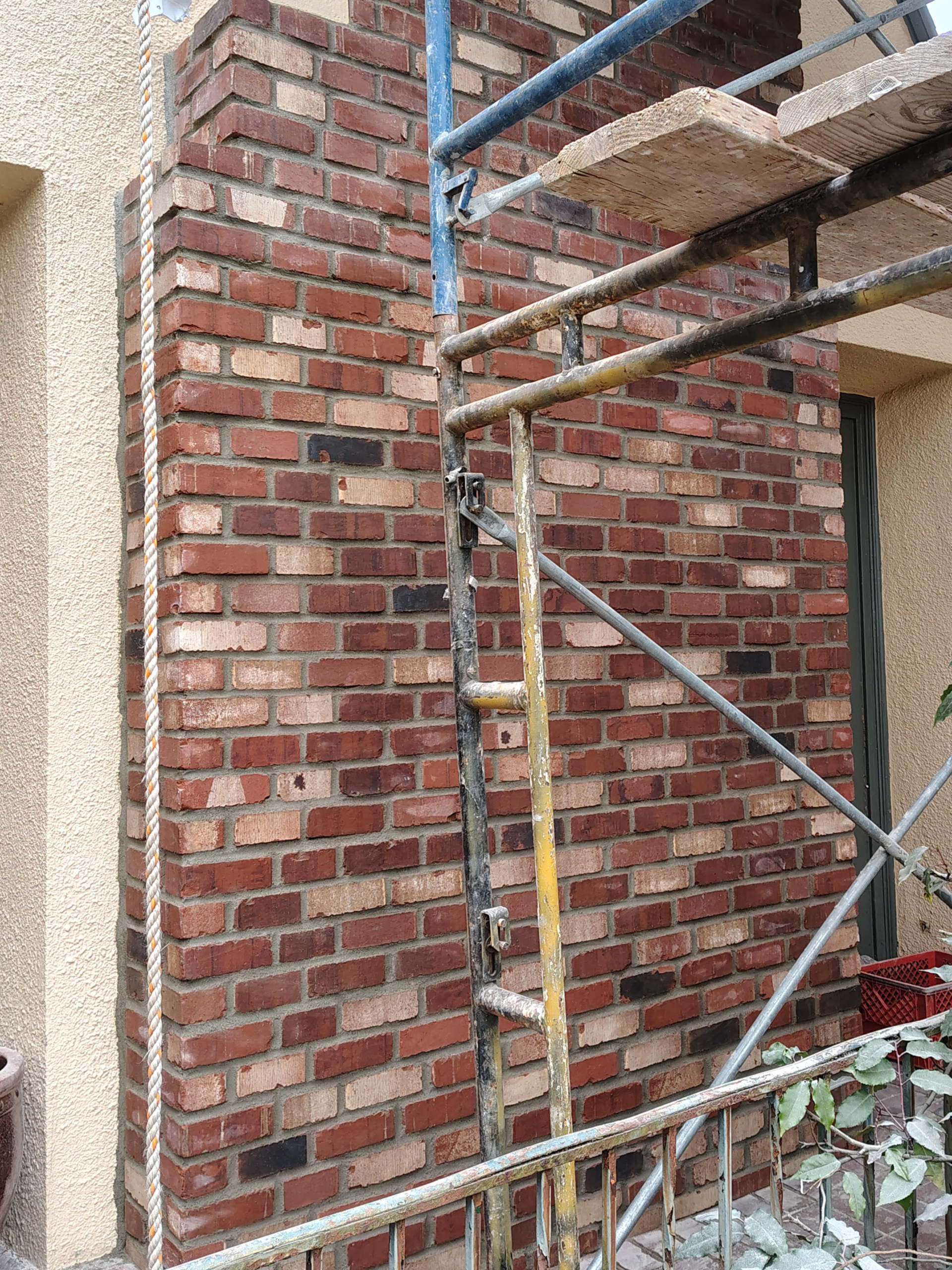
The Chimney Stack (Exterior Masonry): The visible brick or stone portion of the chimney above the roofline takes the most direct weather exposure of any part of the structure. Spalling brick, eroding mortar joints, and structural cracks in the exterior stack are common findings on homes throughout the Bothell area, particularly those built in the 1950s through 1980s. We repoint deteriorated mortar, replace compromised brick, and in cases where the deterioration is extensive, rebuild chimney stacks from the roofline up.
When to Call: Warning Signs You Should Never Ignore
Some chimney problems announce themselves loudly. Others are quiet for years before causing obvious damage. Here are the signs that it’s time to pick up the phone:
Visible exterior damage: cracks in the brick or mortar, spalling brick faces (flaking or pitted surfaces), or white staining (efflorescence) on the chimney exterior. Any of these means moisture is involved and the chimney needs attention.
Water in the fireplace: if you see water pooling in the firebox or on the hearth after rain, the crown, cap, flashing, or liner (or some combination) has failed. This should be addressed immediately, not at the end of the season.
Smoke entering the room: poor draft can mean a flue blockage, incorrect chimney height, a damaged smoke chamber, or a damper that’s stuck or deformed. All of these have solutions, but they require proper diagnosis.
Strange odors from the fireplace: a strong smell of smoke or something burning when the fireplace isn’t in use often indicates creosote buildup or a draft issue allowing outside air to pull smells back down through the flue.
Water stains on interior walls or ceilings: especially near the chimney or fireplace. These indicate water is entering through the chimney system and spreading into the home’s structure.
A chimney that’s tilting or leaning: this is a structural emergency. A leaning chimney is under serious stress and needs professional assessment immediately.
If you’re buying a home anywhere in the Bothell, Woodinville, Kenmore, or Edmonds area and the property has a fireplace, request a Level 2 chimney inspection as part of the purchase process. A standard home inspection does not include a detailed evaluation of the chimney system, and a camera inspection of the flue can reveal problems like cracked liners or significant creosote buildup that would otherwise only be discovered after closing.
The North Sound Masonry Approach to Chimney and Fireplace Work
Chimney and fireplace repair is a specialty. Not every masonry company has the experience to diagnose flue liner problems, evaluate firebox structural integrity, or identify the difference between surface cosmetic damage and a genuine safety concern. At North Sound Masonry, this is work we know deeply, and we approach it the way any serious structural repair deserves: carefully, thoroughly, and honestly.
Our process starts with a proper assessment. We look at every accessible component of the chimney and fireplace system, inside and out, before we provide an estimate. We explain what we find in plain language, tell you what needs immediate attention versus what can wait, and give you a clear proposal before any work begins.
We match the materials to the construction. Older masonry chimneys built decades ago need mortar formulations that are compatible with softer, historic brick, not modern high-strength Portland cement mortars that can crack the surrounding brick when they expand and contract differently. The firebox requires true refractory mortar, not regular mortar. The exterior masonry needs mortar that allows moisture to move rather than trapping it inside. These details matter, and getting them wrong can make a repair fail faster than the original deterioration did.
We’re also straight with you when something is beyond repair and needs rebuilding. Chimney rebuilds, where the stack above the roofline is completely reconstructed, are a significant investment, typically running $5,000 to $15,000 depending on height, scope, and the materials involved. But there are situations where rebuilding is the only sound long-term answer, and we won’t sell you a repair that will only hold for a season or two when a rebuild is what the structure actually needs.
From minor crown repairs for a homeowner in Kenmore to a complete chimney and firebox restoration on a historic commercial building in Edmonds, North Sound Masonry brings the same level of care and skill to every project. We serve the entire North Sound region: Bothell, Mill Creek, Marysville, Lynnwood, Mountlake Terrace, Shoreline, Woodinville, Cottage Lake, Maltby, and communities throughout King and Snohomish Counties.
Don’t wait for a small chimney problem to become a large one. Contact North Sound Masonry today for a free estimate.
Professional Chimney & Fireplace Repair & Restoration
Contact us today to find out how our custom chimney and fireplace repair can make your property look great to match what you want!
North Sound Masonry
When you reach out to North Sound Masonry, you’ll connect with a professional who understands the work behind quality brick, stone, and paver work. We take the time to listen to your goals, answer your questions, and get a clear picture of what you want to achieve for your home or business in Bothell and the surrounding communities.
If you’re planning a brand-new masonry project or restoring existing work, we’ll help you choose the right materials, design, and layout to complement your property. Every project is unique, and we make sure the finished result looks right, performs well, and fits your budget.
We believe in being upfront and transparent throughout the entire process, so there are no surprises. From detailed measurements and proper site preparation to expert installation, our focus is on doing the job right and building something that lasts in the Pacific Northwest climate.
We treat every property with care and respect, keeping job sites clean and working efficiently from start to finish. Our goal is simple: leave your space looking better, stronger, and more valuable than when we arrived.
Reach out today to discuss your masonry project in Bothell, WA and nearby areas, we’re ready to deliver results built to last.
Get Your Estimate Now!
Frequently Asked Questions (FAQs)
A smoky odor from an unused fireplace is almost always a draft or sealing issue. When outside air pressure is higher than the air inside the chimney, it can push air, and smells, back down into the house. This is called a downdraft, and it can be caused by a damaged or poorly sealing damper, a chimney cap that’s missing or the wrong size, or a chimney that isn’t tall enough relative to nearby roof features. Creosote buildup in the flue also intensifies any smell when warm air moves through the system in summer. The fix depends on the specific cause, which is why a professional look is worth more than any DIY guess.
A masonry fireplace is built entirely in place from brick, firebrick, mortar, and a clay flue system: the classic, heavy, traditional construction common in older Bothell-area homes. A prefabricated fireplace is a factory-built metal firebox insert set into a framed chase with a metal flue. The two systems require different repair approaches. North Sound Masonry focuses on masonry fireplaces and chimneys. We can repair surrounding stonework, brick surrounds, and hearths on prefab systems, but the metal firebox insert itself typically requires a different kind of specialist. We’ll always be upfront about what falls within our scope and point you toward the right resource if it doesn’t.